Why Yiwu Remains a Top Choice for Worldwide Sourcing

Yiwu specializes in light-industry items: toys, accessories, textiles, stationery, household goods, and more. Its strength lies in low minimum orders (often 50–200 pieces per item), rapid product turnover (new designs weekly), and one-stop mixed-container loading—perfect if you sell on Amazon, eBay, TikTok Shop, or local markets.
Compared to factory-direct sourcing, Yiwu wins for speed and variety; compared to pure online (like 1688), it allows real inspection and negotiation.

Getting to Yiwu and Practical Arrival Tips
Fly into Hangzhou Xiaoshan Airport (about 1.5 hours by high-speed train) or Shanghai (around 3 hours). Yiwu has its own small airport for domestic connections. High-speed rail is reliable and affordable—book via Trip.com or Ctrip.
Stay near the market in areas like Binwang or Chengxi: hotels range from budget ($40–80/night) to business-class ($100+). Many offer free shuttles.
Download essential apps: WeChat (for payments/chat), Alipay (backup payment), Gaode Maps (better navigation), and Google Translate (offline Chinese pack).
Best time: Avoid Chinese New Year closure (usually 10–15 days in Jan/Feb). Weekdays are less crowded than weekends.
Understanding the Five Districts: Where to Find What
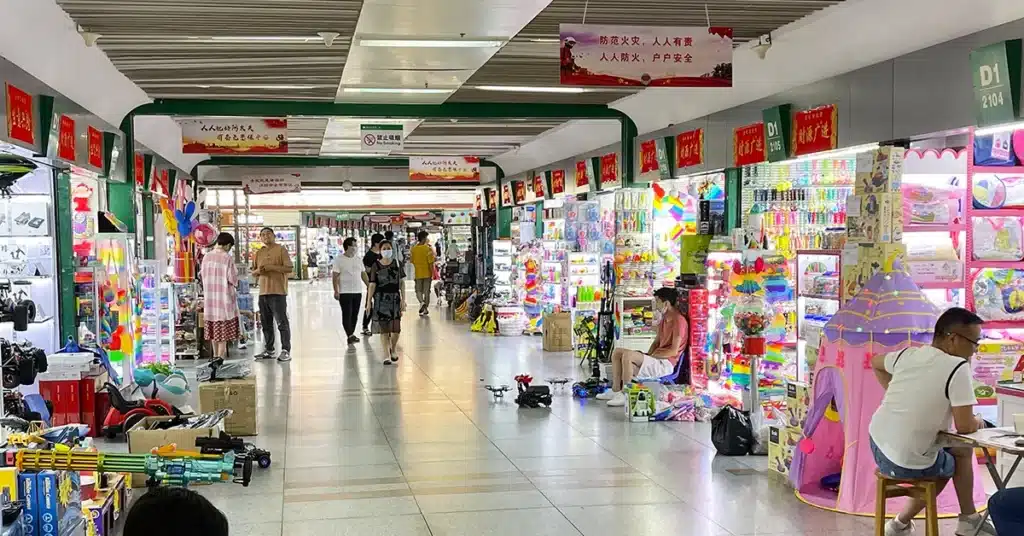
The core market divides into five connected districts—each focused on specific categories to streamline your search.
- District 1: Jewelry, hair accessories, toys (plush/plastic/electric), artificial flowers, gifts/crafts. Great for seasonal or fashion items.
- District 2: Bags/luggage, hardware tools, small electronics, umbrellas/rain gear, kitchenware.
- District 3: Stationery/office supplies, sports/outdoor gear, cosmetics/beauty tools, eyewear, buttons/zippers.
- District 4: Socks/underwear, shoes/hats, daily textiles, knitting products.
- District 5: Bedding/home textiles, imported goods, hotel supplies, some digital extensions.
Use the free internal shuttle or the “Yiwugo”/“YiTongGuan” app for booth search by keyword + gate/floor.

Smart Strategies for Successful Buying
Start with research: Note product ideas and target districts.
On-site: Scan booth QR codes to add WeChat for follow-up. Ask for samples (usually low-cost or free in small quantities). Negotiate politely—mention multiple purchases for better deals. Compare quotes from 3–5 similar booths.
For quality: Always request real samples over photos. Watch for red flags like no factory tour willingness or unrealistically low prices.
Pro tip: Order 3–5 samples per item first ($5–30 each) and test shipping before bulk.
If language or time is an issue, hire a local sourcing agent (3–10% fee)—they handle visits, inspections, and consolidation.
Remote Sourcing: No Trip Needed
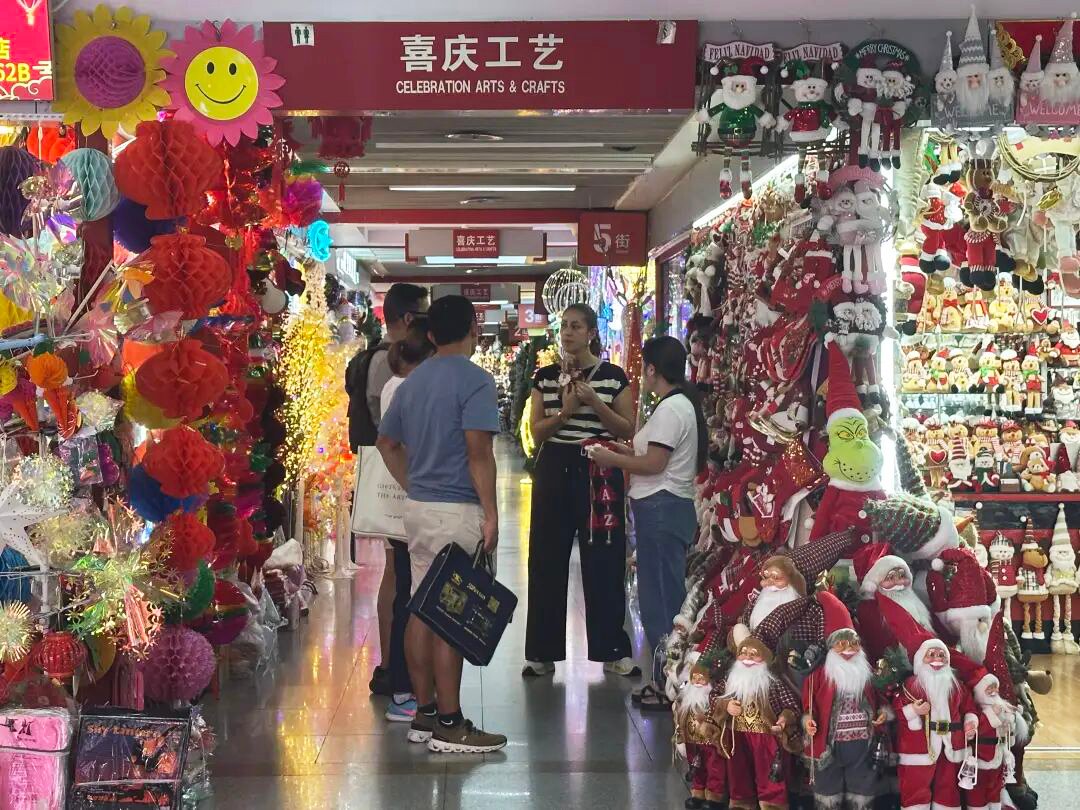
Send your product list/requirements to an agent. They scout booths, share videos/photos, negotiate, inspect quality, consolidate goods, and arrange shipping (sea LCL/FCL via Ningbo port, air/express options).
This saves travel costs and reduces risks like language barriers or fakes.
Shipping and Final Tips
Consolidate mixed items into one container to cut freight costs. Agents manage docs (invoices, packing lists, customs clearance).
Common pitfalls: Skipping samples, paying full upfront, or rushing without comparisons.
In 2026, Yiwu continues evolving with more digital tools (apps, video calls) and eco-friendly lines—making it easier than ever for global buyers.
Ready to source? Start with research, consider an agent for your first run, and enjoy the endless variety this “supermarket of the world” offers.

Vincent works in foreign trade at Mutual Trade, a Yiwu-based sourcing company, helping international buyers source and purchase products from China. Through daily work with Chinese factories and overseas customers, he has hands-on experience with product sizing, quality checks, and cross-border shipping. He writes practical guides to help both shoppers and importers buy from China with confidence.
